
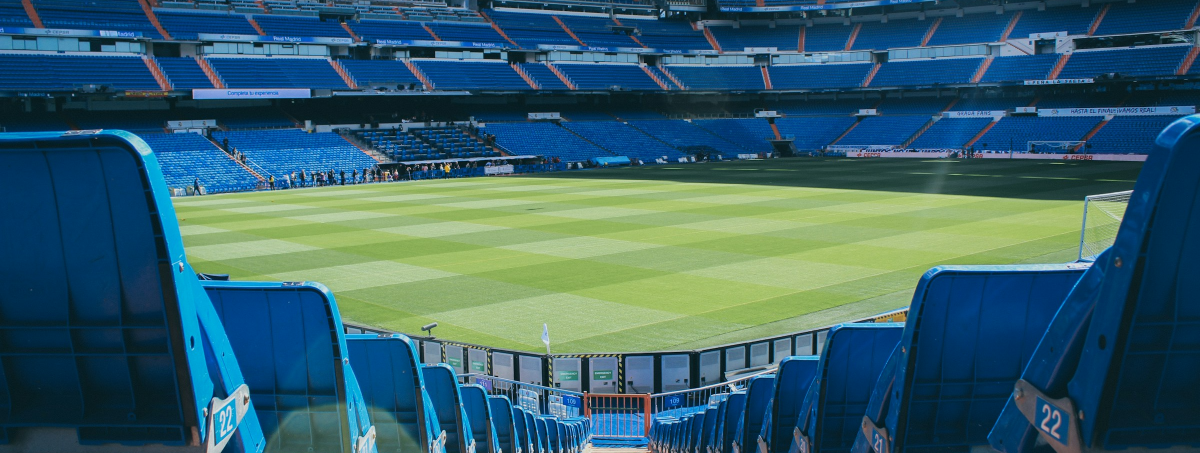
Photo Credits: Unsplash
CommentaryActivation Over Assets: What Stephen Pearson’s World Cup Analysis Means for Irish Sponsorship Strategy
Sports sponsorship is entering a phase of strategic maturity, and the most important voice on what actually makes it pay is not a brand manager but a practitioner. Published by Finance Magnates on 17 July 2026, an interview with Stephen Pearson, CEO of Sports Media Gaming and former Commercial Director of the English Premier League, provides the clearest framework yet for understanding why sponsorship strategy is the decisive variable in commercial partnerships, not the size of the rights fee.
Pearson’s central observation deserves direct C-suite attention. More than 70% of broker sports investment has concentrated in football, and the category has become, in his words, “a cluttered market.” The implication extends well beyond the fintech sector: any brand that treats a sport property as a marketing shortcut rather than a platform for brand activation is likely to underperform against its investment. The question Pearson repeatedly returns to is not which team a brand sponsors but how effectively the partnership is activated across local campaigns, educational content, client events and trackable customer journeys. The activation plan, not the badge, is what generates the return on investment.
The data from the broker world is instructive for any C-suite weighing sports marketing partnerships. Pearson confirms the largest deal in broker shirt sponsorship history remains Plus500’s partnership with Atletico de Madrid, which ran from 2015 for more than six years. More recently, CMC Markets has agreed to sponsor Everton’s front-of-shirt for 2026/27 at a reported value of approximately £30 million (approx. €35 million) per season. Pearson notes that mid-tier Champions League clubs can be accessed for between $10 and $13 million (approx. €9 to €12 million), a fraction of the €100 million reportedly required at the top of the market. Every club in the Premier League still plays the biggest clubs twice each season.
For Irish brands assessing sponsorship ROI, the regional partnership model Pearson describes is directly applicable. The Argentina Football Association has pioneered geographically segmented sponsorship agreements, allowing brands to use the same intellectual property across different regional markets at a fraction of global deal costs. Irish rights holders across Gaelic games, rugby and the League of Ireland are well placed to offer equivalent structures, giving brands access to culturally rich assets with real audience depth. ONSIDE projects the Irish sponsorship market at €247 million in 2026, confirming sustained commercial appetite.
Three principles from Pearson’s analysis stand out for Irish C-suites. Marketing partnerships fail without activation. Regional deals deliver stronger targeted ROI than overpriced global assets. And brand credibility, which Pearson identifies as uniquely powerful in sport, is built through consistent, locally relevant engagement rather than badge placement alone.
Sponsorship pays when the activation plan is as ambitious as the rights investment.
(The views expressed by the writer are his/her own and do not necessarily reflect the views or positions of BusinessRiver.)



Discover What's Happening
Explore our newsletters
Join our Newsletter to receive the latest industry trends, expert tips, and exclusive insights delivered straight to your inbox!


.png)